





New Delhi/Kolkata:
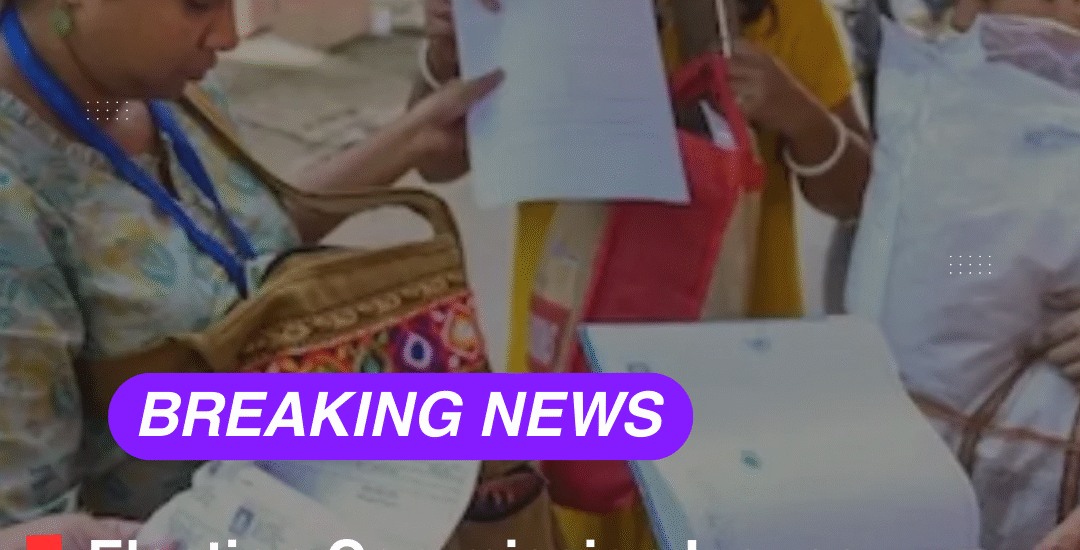
The controversy surrounding Booth Level Officers (BLOs) and their allowances in West Bengal has intensified, with the Election Commission of India (ECI) issuing a clear and firm statement following sharp criticism from Chief Minister Mamata Banerjee. The dispute has brought the spotlight back on the Special Intensive Revision (SIR) of electoral rolls and the working conditions of grassroots-level election staff.
According to the Election Commission, BLOs engaged in the voter list revision process are entitled to a fixed allowance as per established norms. However, the Commission has expressed concern that in West Bengal, the full amount has not yet been disbursed, despite repeated communications. Officials indicated that while partial payments have been made, the total allowance due to BLOs remains pending in several cases.
Election Commission’s Stand
The ECI clarified that BLOs play a crucial role in maintaining the accuracy and credibility of electoral rolls. Given the demanding nature of their work during SIR exercises, timely payment of allowances is essential to ensure smooth functioning and staff morale. The Commission stressed that delays or partial payments could negatively impact election-related operations.
In its statement, the ECI also warned that any attempt to obstruct or intimidate election officials involved in voter list revision would be treated seriously. It reiterated that election personnel must be allowed to carry out their duties independently, without political or administrative pressure.
Mamata Banerjee’s Criticism
The issue escalated after Chief Minister Mamata Banerjee publicly criticised the Election Commission, alleging that the voter list revision process was being conducted without adequate consultation with the state government. She also raised concerns about excessive workload on BLOs, claiming that many officials were under severe stress due to tight deadlines and increased responsibilities.
Banerjee questioned the timing and manner of the SIR process, suggesting that it could potentially affect voters unfairly if not handled sensitively. Her remarks triggered a strong response from the Election Commission, which maintained that the exercise is routine, constitutionally mandated, and aimed solely at ensuring error-free voter rolls.
Allowance Dispute Adds to Political Tension
The BLO allowance issue has now become part of the larger political confrontation between the state government and the central election body. The Commission stated that the allowance amount is clearly defined and that state authorities are responsible for ensuring full payment. It urged the West Bengal government to clear all pending dues at the earliest.
At the same time, the ECI expressed concern over reports of aggressive language and protests allegedly directed at election officials during the SIR process. The Commission noted that such incidents, if proven, undermine democratic institutions and could invite strict action.
Administrative and Political Implications
Political observers believe the dispute reflects broader tensions ahead of upcoming elections. Electoral roll revision is a sensitive exercise, particularly in politically competitive states like West Bengal. Any disagreement over procedure, workload, or payments quickly becomes politically charged.
Experts argue that cooperation between the Election Commission and state governments is essential to maintain public trust in the electoral process. Ensuring the welfare of BLOs — including fair compensation, manageable workload, and institutional support — is seen as a key factor in conducting transparent and credible elections.
Looking Ahead
As of now, the Election Commission has reiterated its commitment to constitutional procedures and fairness, while urging the state government to resolve the allowance issue without delay. The West Bengal government, on the other hand, continues to press for greater transparency and flexibility in the SIR process.
With elections on the horizon, how both sides manage this standoff could have significant implications for election administration and political discourse in the state. For now, the focus remains on BLOs — the frontline workers of India’s electoral system — and the need to ensure they are supported, protected, and fairly compensated.