







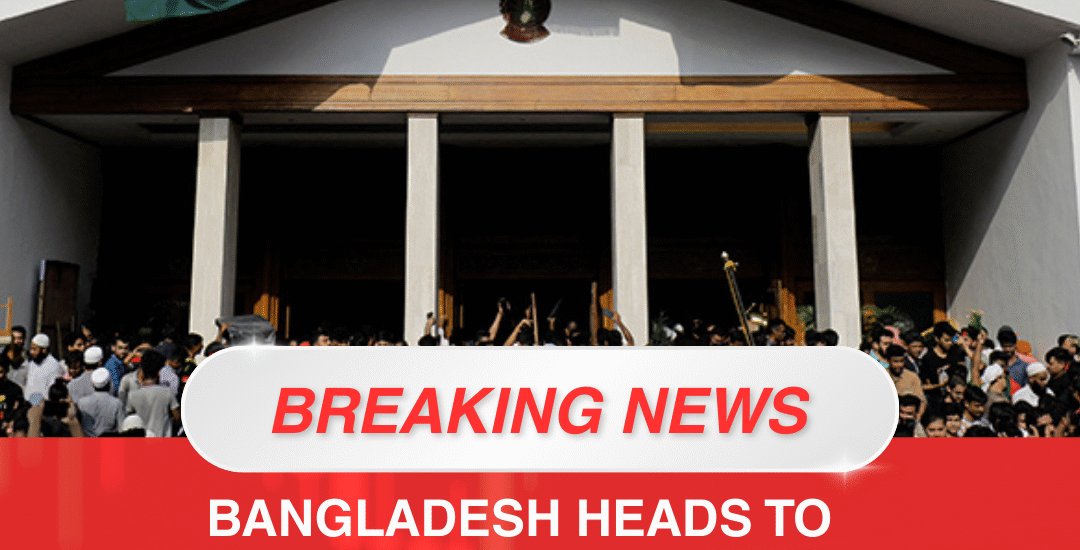
Dhaka: Bangladesh has embarked on a historic political journey as voting begins in the country’s first general election following the end of Sheikh Hasina’s long tenure in power. The election is being seen as a defining moment for the nation, with heightened security and intense political interest both domestically and internationally.
Polling started early in the morning across the country, with voters lining up at stations in cities, towns, and rural areas. Authorities have implemented extensive security arrangements to ensure a peaceful and orderly voting process. A large number of police personnel, paramilitary forces, and other law enforcement agencies have been deployed nationwide, particularly at sensitive and high-risk polling stations.
The Election Commission has expressed confidence in conducting a free and fair election, stating that all necessary preparations have been made. Special monitoring teams are on standby to address any untoward incidents, and strict surveillance measures are in place to maintain law and order throughout the day.
This election carries exceptional political significance. It marks the first time in years that Bangladesh is voting in a general election without Sheikh Hasina at the helm, following a period of political upheaval and mass movements that reshaped the country’s leadership landscape. Analysts believe the outcome could redefine the nation’s democratic trajectory and alter its political balance of power.
The main contest is expected to revolve around the Bangladesh Nationalist Party (BNP) and Jamaat-e-Islami, along with their respective alliances. Several constituencies are witnessing multi-cornered contests, reflecting a dynamic and competitive political environment. Observers suggest that this election is not merely about forming a government but about determining the future direction of governance, democratic institutions, and national policy.
In the months leading up to the polls, Bangladesh experienced significant political tension, including protests, public mobilization, and administrative transitions. As a result, public expectations are high. Many voters have expressed their desire for political stability and economic progress, while younger voters are emphasizing transparency, job creation, and institutional reform.
Economic challenges, inflation, rural development, agricultural concerns, unemployment, and civil liberties have emerged as key campaign issues. Urban voters are focusing on economic growth and employment opportunities, whereas rural communities are prioritizing development initiatives and cost-of-living concerns.
International observers are also closely monitoring the election, given Bangladesh’s strategic importance in South Asia. The results could have broader implications for regional diplomacy and economic partnerships.
Political analysts agree that regardless of the outcome, this election will remain a landmark event in Bangladesh’s democratic history. The verdict delivered through the ballot box will determine the country’s political course in the coming years and shape its governance model for the next chapter.
All eyes are now on the counting process and the final results, which will reveal the direction chosen by the people of Bangladesh in this crucial post-Hasina era.