







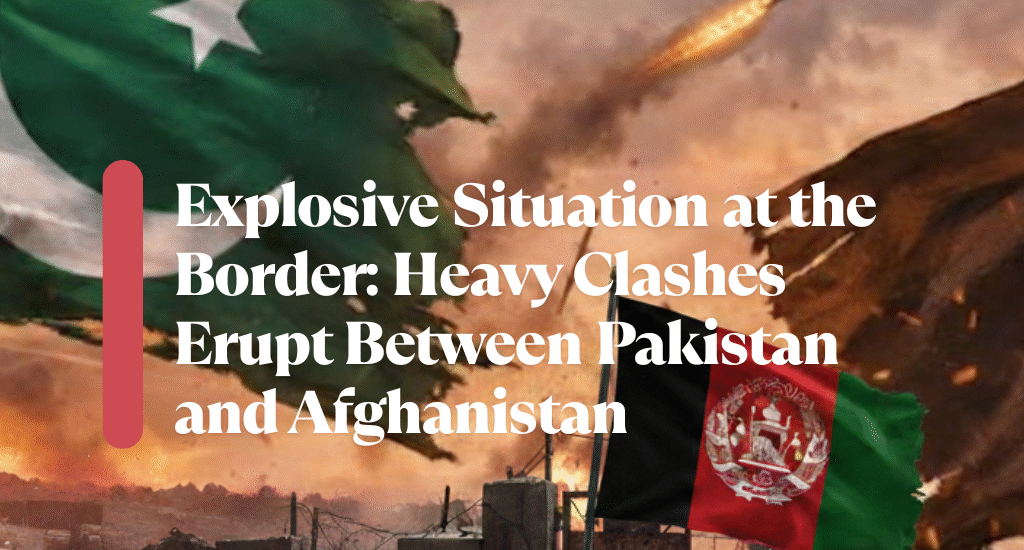
Tensions between neighboring South Asian nations Pakistan and Afghanistan have once again escalated into violent confrontation along the disputed border. Intense exchanges of gunfire and artillery shelling over the past 48 hours have pushed the situation into a critical phase, raising serious concerns about regional stability.
How Did the Latest Conflict Begin?
According to security sources, the situation deteriorated following reports of cross-border movement and alleged militant activity near frontier checkpoints. Pakistani officials claimed that armed groups operating from Afghan territory targeted their border posts, prompting what they described as “precise retaliatory action.”
Afghan authorities, however, alleged that Pakistani forces initiated unprovoked shelling and air operations inside Afghan territory, forcing them to respond in defense.
Heavy Shelling and Casualty Reports
Local administrative sources indicate that rockets and mortar shells were fired across multiple sectors of the border. Movement in certain sensitive areas has been temporarily suspended. While unofficial reports suggest casualties among security personnel on both sides, official figures have yet to be fully confirmed.
Residents in several border villages have reportedly fled to safer areas amid fears of further escalation. Schools and marketplaces in affected regions have remained closed as authorities assess the damage and maintain heightened security.
Political Rhetoric Intensifies
Senior officials from both countries have issued strong statements. Pakistani defense representatives stated that the country would not tolerate violations of its sovereignty and would respond firmly to any aggression.
Afghan spokespersons countered by accusing Pakistan of escalating tensions and violating territorial boundaries. The war of words has added to uncertainty, making diplomatic de-escalation more challenging.
Historical Context and Underlying Issues
Experts note that mistrust, disputes over the Durand Line, and accusations of harboring militant groups have long strained relations between the two nations. Previous skirmishes along the frontier have periodically flared up, but the intensity of the current clashes has drawn particular concern.
Security analysts warn that continued hostilities could destabilize trade routes and cross-border transit networks that are vital for both countries. The situation also risks broader geopolitical implications in an already sensitive South Asian security landscape.
What Lies Ahead?
Defense observers believe that without immediate high-level diplomatic engagement, military deployments along the border could increase further. Additional troops have reportedly been positioned in sensitive sectors, and surveillance has intensified.
For now, the situation remains tense and fluid. Civilians in affected areas are hoping for restraint and dialogue to prevent the conflict from spiraling into a larger confrontation. The coming days will be crucial in determining whether diplomacy prevails or tensions deepen further.