
Air conditioners have become an essential appliance in homes, offices, and commercial spaces. During hot summer months, a properly functioning AC system provides comfort and improves indoor air quality. However, like any electrical appliance, air conditioners can develop faults over time due to poor maintenance, aging components, electrical problems, or environmental conditions. Understanding common AC faults and their solutions can help homeowners identify issues early, reduce repair costs, and increase the lifespan of their air conditioning systems. In this guide, we will discuss the most common AC problems, their causes, and practical repair solutions.
An air conditioner works by removing heat from indoor air and transferring it outside through a refrigeration cycle. The major components include the compressor, condenser coil, evaporator coil, refrigerant, expansion valve, thermostat, and fan motors. When any of these components malfunction, the cooling performance of the AC can be affected.
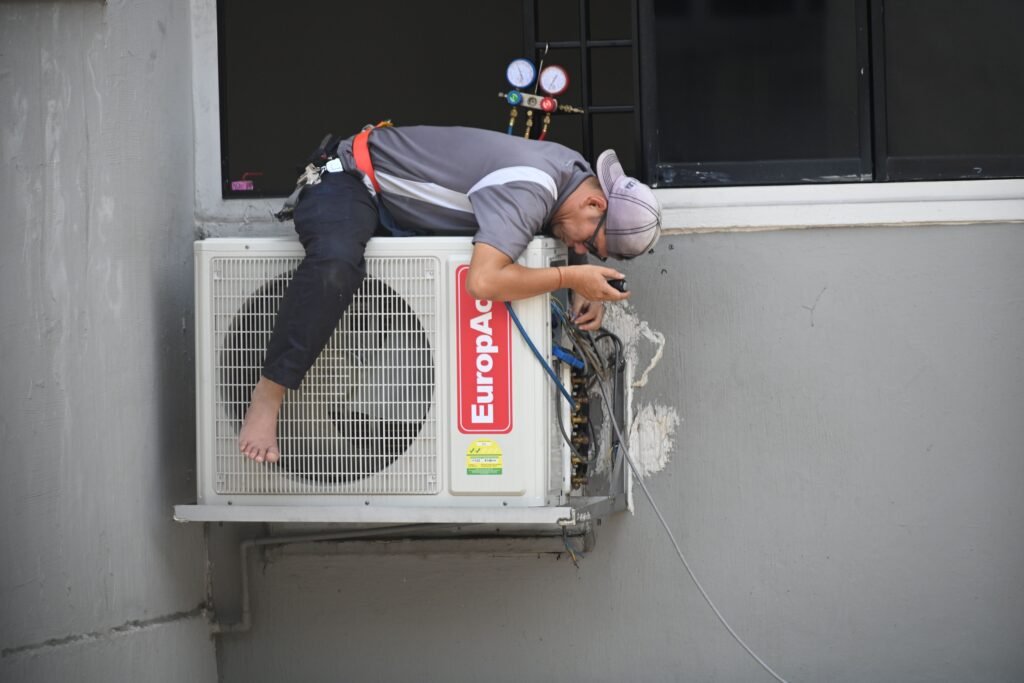
One of the most common complaints is that the AC runs but does not cool the room effectively.
Begin by cleaning or replacing the air filters. Dirty filters restrict airflow and reduce cooling efficiency. Check the thermostat settings and ensure they are properly configured. If the problem continues, inspect the refrigerant level and condenser coils. A qualified technician may be required to handle refrigerant-related issues and compressor repairs.
If your air conditioner does not start at all, the issue may be electrical in nature.
Check the power source and ensure the circuit breaker has not tripped. Inspect the thermostat and replace batteries if necessary. A faulty capacitor or damaged wiring should be handled by a professional technician for safety reasons.
Water dripping from the indoor unit is a common problem that can damage walls and furniture.
Clean the drain pipe and remove any blockage preventing water flow. Replace dirty filters and ensure proper airflow. If the evaporator coil is frozen, switch off the AC and allow it to thaw completely before restarting.
Refrigerant is responsible for absorbing and transferring heat. A refrigerant leak can significantly affect cooling performance.
Locate and repair the leak before refilling refrigerant. Simply adding refrigerant without fixing the leak will only provide a temporary solution.
A frozen evaporator coil can prevent proper cooling and lead to system damage if ignored.
Turn off the AC and allow the ice to melt. Clean or replace filters and ensure vents are not blocked. If the problem persists, professional servicing may be required.
Air conditioners should operate relatively quietly. Unusual sounds often indicate mechanical or electrical issues.
Inspect and tighten loose parts. Damaged fan components should be replaced. Persistent noises from the compressor should be examined by an experienced technician.
Unpleasant smells coming from the AC can make indoor environments uncomfortable.
Clean the filters, evaporator coils, and drainage system. If a burning smell is present, switch off the AC immediately and seek professional assistance.
A faulty thermostat can cause inconsistent cooling and frequent cycling.
Replace thermostat batteries and check settings. If the thermostat is defective, replacing it may restore proper operation.
The compressor is one of the most important and expensive components in an AC system.
Minor electrical faults can sometimes be repaired, but severe compressor damage often requires replacement. Regular servicing helps prevent compressor failure.
Preventive maintenance is the best way to avoid unexpected breakdowns and costly repairs.
Regular maintenance improves cooling efficiency, reduces electricity consumption, and extends the lifespan of the system.
When dealing with AC repairs, safety should always be the top priority.
While basic maintenance can be performed by homeowners, some issues require expert attention.
You should contact a qualified technician if:
To keep your AC running efficiently for years:
Air conditioners are complex machines that require regular care and timely repairs to maintain peak performance. Common problems such as poor cooling, water leakage, refrigerant loss, thermostat faults, and compressor issues can often be prevented through proper maintenance and early diagnosis.
By understanding the causes of AC faults and following recommended maintenance practices, homeowners can reduce repair costs, improve energy efficiency, and enjoy reliable cooling throughout the year. Investing in routine servicing and professional inspections is one of the best ways to ensure long-term comfort and system reliability.