

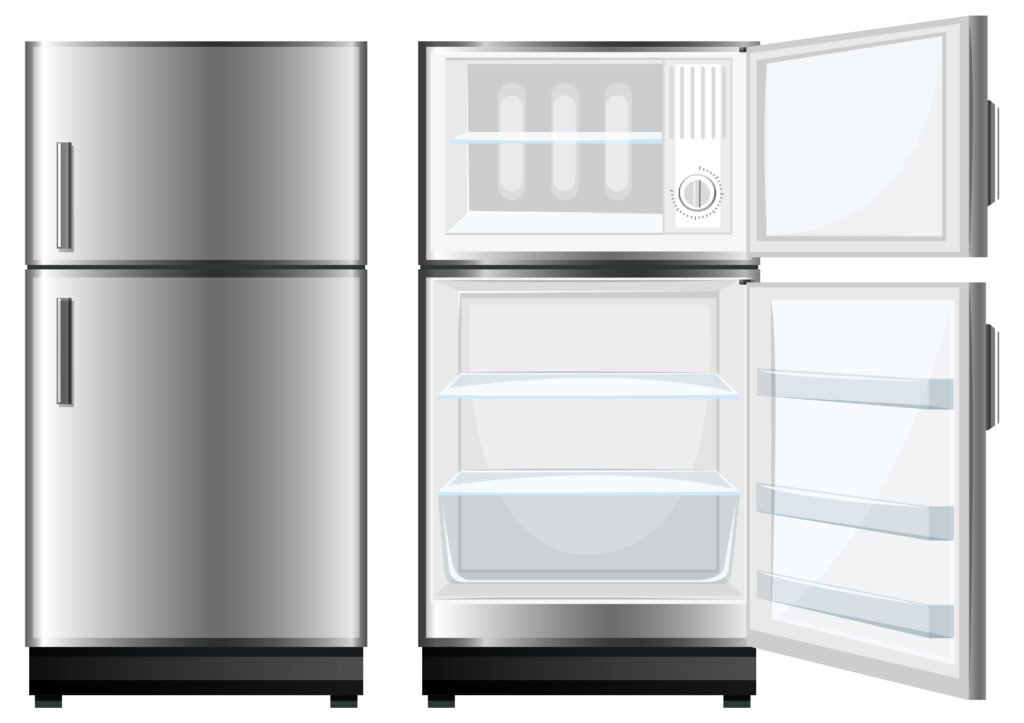
A refrigerator is one of the most important appliances in any home. It keeps food fresh, prevents spoilage, and helps maintain a safe storage temperature for perishable items. However, like any household appliance, a refrigerator can develop problems over time. Identifying these issues early can help prevent expensive repairs, food waste, and complete system failure.
Many people do not realize their refrigerator is malfunctioning until food starts spoiling or the appliance stops working entirely. Fortunately, there are several warning signs that can indicate your refrigerator is not functioning properly.
A properly functioning refrigerator maintains temperatures between 1°C and 4°C in the fresh food compartment and around -18°C in the freezer section. When temperatures rise above these levels, food safety can be compromised.
Poor refrigerator performance can lead to:
Understanding the warning signs can help you take action before the problem becomes serious.
One of the clearest signs of refrigerator trouble is food spoiling earlier than expected.
If food consistently spoils despite proper storage, your refrigerator may not be maintaining the correct temperature.
If the refrigerator feels warmer than normal, cooling problems may be developing.
A cooling issue should never be ignored, as it can quickly lead to food spoilage.
Modern frost-free refrigerators should not develop large amounts of ice.
Excessive frost can reduce cooling efficiency and increase energy consumption.
Refrigerators normally produce low humming sounds during operation. However, loud or unusual noises may indicate a problem.
Persistent unusual noises should be inspected by a technician before further damage occurs.
Water pooling around the refrigerator is another sign that something may be wrong.
Ignoring water leaks can lead to floor damage, mold growth, and electrical risks.
Most refrigerators cycle on and off throughout the day. If the appliance runs continuously, it may be struggling to maintain the desired temperature.
Continuous operation often results in higher electricity bills and increased wear on internal components.
A sudden increase in electricity consumption may indicate that your refrigerator is working harder than normal.
An inefficient refrigerator can consume significantly more energy than a properly functioning unit.
Some warmth around the sides and back of a refrigerator is normal. However, excessive heat may indicate a problem.
Ensure there is adequate space around the refrigerator for proper airflow.
Unpleasant smells can indicate both food-related and mechanical problems.
If odors remain after cleaning, internal components may require inspection.
For refrigerators with built-in ice makers, failure to produce ice may signal a larger issue.
Addressing these issues early can prevent further damage to the ice-making system.
The rubber gasket around the refrigerator door plays an important role in maintaining cooling efficiency.
Damaged seals force the refrigerator to work harder, increasing energy consumption.
You can perform a few simple checks at home:
Use a refrigerator thermometer to verify internal temperatures.
Place a piece of paper between the door and frame. If it slides out easily, the seal may need replacement.
Check condenser coils for dust and debris. Clean them regularly for better efficiency.
Pay attention to new noises that were not present before.
Regular maintenance can help extend the lifespan of your refrigerator.
These simple habits can significantly improve performance and reduce repair costs.
Some refrigerator issues require expert diagnosis and repair.
Contact a technician if:
Attempting major repairs without proper knowledge may cause further damage.
A refrigerator rarely stops working without warning. Signs such as poor cooling, excessive frost, unusual noises, water leaks, rising electricity bills, and spoiled food often indicate that the appliance needs attention. Recognizing these symptoms early can help prevent costly repairs and extend the lifespan of your refrigerator.
Regular maintenance, proper cleaning, and timely servicing are essential for keeping your refrigerator operating efficiently. By paying attention to these warning signs, you can ensure that your appliance continues to keep your food fresh and your household running smoothly for years to come.